A városainkat egy másik éghajlatra terveztük
Frissítve: aug. 9.
Kinyitom a csapot, de nem folyik a víz. Felkapcsolom a villanyt, de sötét marad a szoba.
Vajon csak akkor térünk észhez, amikor az, amit eddig természetesnek és korlátlanul elérhetőnek gondoltunk, egyszer csak nincs?
Amíg a klímaváltozás távoli országok jövőbeli problémájának tűnt, könnyű volt félrenézni.
Ma azonban már a saját bőrünkön érezzük a hőséget, látjuk a kiszáradó földeket, az apadó folyókat és a vízhiánnyal küzdő településeket. A túlterhelt hálózatok és az áramkimaradások pedig arra figyelmeztetnek, hogy az otthonaink működése sem magától értetődő.
Hetek óta ezekről szólnak a hírek. Nehéz újat mondani, és talán már nehéz befogadni is az újabb figyelmeztetéseket. A Városi Platform azonban nem mehet el a kérdés mellett, mert a klímaváltozás nemcsak természeti vagy mezőgazdasági probléma. Egyre inkább az otthonaink, az épületeink és a városaink problémája is.
A településeink, a köztereink és az épületeink jelentős részét egy másik éghajlatra terveztük. Olyan nyarakra, amikor a hetekig tartó hőség még kivételnek számított, a csapadék kiszámíthatóbb volt, és nem kellett minden újonnan kialakított térnél azt kérdezni: lesz-e rajta elegendő árnyék, meg tudja-e tartani a vizet, és élhető marad-e júliusban is? Ma már mindannyian érezzük a változást. Napközben felforrósodnak a lakások, éjszaka pedig alig tudnak lehűlni. A burkolt tereken szinte lehetetlen hosszabb időt eltölteni, az árnyék nélküli utcákon egyre nehezebb végigsétálni. A fiatal fák sok helyen alig maradnak életben, miközben a hirtelen lezúduló eső vize néhány perc alatt eltűnik a csatornákban.

Közben légkondicionálókkal próbáljuk egyenként lehűteni azokat az épületeket, amelyek környezete egyre jobban felmelegszik.
Pedig nem mindegy, hogyan alakítjuk a városainkat. Mennyi burkolat kerül egy térre, marad-e hely a fáknak, van-e árnyék egy játszótéren vagy egy buszmegállóban, és el tud-e szivárogni valahol az esővíz. A fa ma már nem egyszerűen díszítőelem. Árnyékot ad, hűti a környezetét, és élhetőbbé teszi az utcát. Ehhez azonban valódi helyre, elegendő földre és vízre van szüksége. Néhány burkolatba szorított facsemete vagy dézsába ültetett növény önmagában nem oldja meg a problémát.
A vízzel is másként kellene bánnunk. Sokáig az volt a cél, hogy az esővizet minél gyorsabban elvezessük az utcákról és az épületek környezetéből. Egy kiszáradó országban azonban nehéz elfogadni, hogy amikor végre esik, a vizet azonnal eltüntetjük, néhány héttel később pedig ivóvízzel próbáljuk életben tartani a növényeket.
A régi épületek sokszor egyszerű megoldásokkal védekeztek a meleg ellen.
Vastag falakkal, zsalugáterekkel, tornácokkal, belső udvarokkal és árnyékos átmeneti terekkel. Nem kell visszatérnünk a múlt építészetéhez, de érdemes lenne újra figyelni arra, amit korábban természetesnek tartottunk: hogyan jár a levegő, honnan süt a nap, és mi ad árnyékot a legmelegebb órákban.
A városaink nem egyik napról a másikra fognak megváltozni. A házak többsége, amelyben húsz vagy harminc év múlva élünk, már ma is áll. Ezért nemcsak az a kérdés, hogyan építünk újat, hanem az is, hogyan tesszük élhetőbbé azt, ami már körülvesz bennünket. Az épületeink esetében sem lehet az egyetlen válasz a légkondicionálás. Fontossá válik a megfelelő tájolás, a külső árnyékolás, a természetes átszellőzés, a zöld környezet és az épületszerkezetek hőtároló képessége. Ezek közül sok egyáltalán nem új találmány. Régi házaink vastag falai, zsalugáterei, tornácai, belső udvarai és árnyékos átmeneti terei azt mutatják, hogy az építészet korábban is igyekezett alkalmazkodni a helyi éghajlathoz.Ez persze nem jelenti azt, hogy vissza kellene térnünk a múlt építészetéhez. Azt viszont igen, hogy érdemes újra megértenünk azokat az egyszerű összefüggéseket, amelyeket a gépészeti megoldások sokáig elfedtek előlünk.
Különösen fontos kérdés, mi történik a már meglévő épületállománnyal. A városaink nagy része évtizedek múlva is azokból a házakból áll majd, amelyek ma körülvesznek bennünket. Ezért nemcsak az új épületek tervezése számít. Legalább ennyire fontos a régi házak korszerűsítése, árnyékolása, energetikai megújítása és a környezetük átalakítása. A legfenntarthatóbb épület sok esetben nem az újonnan felépített, hanem az, amelyet nem bontottunk le, hanem alkalmassá tettünk a további használatra.
A változás nem feltétlenül látványos, nagyszabású beruházásokkal kezdődik. Kezdődhet egy fa helyének megőrzésével, egy udvar felesleges leburkolásának elhagyásával, egy homlokzati árnyékolóval vagy az esővíz helyben tartásával. Ezek külön-külön talán apró döntéseknek tűnnek, együtt azonban meghatározzák, hogy milyen lesz a városban élni tíz, húsz vagy ötven év múlva.
Nem állítjuk, hogy minden problémára ismerjük a választ. De azt igen, hogy a városainkról már nem beszélhetünk úgy, mintha a körülmények változatlanok lennének. Az építészet feladata ma már nemcsak az, hogy szép és jól használható tereket hozzon létre. Az is, hogy felkészítse őket arra a világra, amelyben élni fogunk.
A kérdés tehát nem csupán az, hogyan állítjuk meg a klímaváltozást. Hanem az is: hogyan tesszük élhetővé a városainkat abban a változásban, amelyet már most is érzünk?

Mit tehetünk mi, akik itt élünk?
A legtöbben nem tervezünk épületeket, nem alakítunk városi tereket, és nincs beleszólásunk minden beruházásba. Mégsem vagyunk teljesen tehetetlenek.
Otthonainkban csökkenthetjük a felesleges energia- és vízhasználatot.
nyáron napközben árnyékolhatunk
este pedig átszellőztethetjük a lakást, hogy ne kizárólag a légkondicionálásra támaszkodjunk.
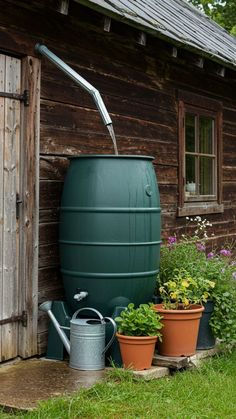
a kertben, az udvaron vagy akár egy társasház közös területén összegyűjthetjük az esővizet, és felhasználhatjuk a növények öntözésére
ha van kertünk, nem kell minden négyzetméterét térkővel lefednünk. Megőrizhetjük a meglévő fákat, ültethetünk újakat, és hagyhatunk olyan felületeket, ahol a víz be tud szivárogni a talajba.
egy társasház lakóiként közösen is dönthetünk arról, hogy a belső udvar parkoló vagy inkább árnyékos, zöld hely legyen.
kezdeményezhetjük a közös területek zöldítését, az esővíz gyűjtését vagy az épület megfelelő árnyékolását.
Nem kell mindenkinek egyszerre mindent megváltoztatnia. Elég lehet azzal kezdeni, amihez valóban közünk van: a saját ablakunkkal, erkélyünkkel, udvarunkkal, társasházunkkal vagy utcánkkal.
Egyetlen el nem pazarolt vödör víz, egy megőrzött fa vagy egy le nem burkolt kertrész önmagában nem állítja meg a klímaváltozást. De minden ilyen döntés azt mutatja, hogy nem mondtunk le a környezetünkről.
A cél nem csupán az, hogy mi valahogyan átvészeljük az egyre forróbb nyarakat. Azért kell most cselekednünk, hogy a gyermekeinknek is maradjanak árnyékos utcák, élő kertek, használható közterek és olyan otthonok, amelyekben jó lesz élni.
A jövő városát nemcsak az építészek és a döntéshozók alakítják. Mi is, akik benne élünk.


Hozzászólások